
Family
The Anxious Mother: Understanding Postpartum Anxiety
New motherhood can come with a worry that won’t switch off. You’re not failing — and it’s treatable.
Postpartum anxiety (PPA) affects roughly 1 in 10 new mothers and can bring constant worry, racing thoughts, physical tension, and sometimes panic attacks — distinct from, and sometimes alongside, postpartum depression. It’s common, it’s not a sign of failure, and it’s very treatable with therapy and support. Cristina Panaccione, LPC and the CPA team help mothers and families across Pennsylvania.
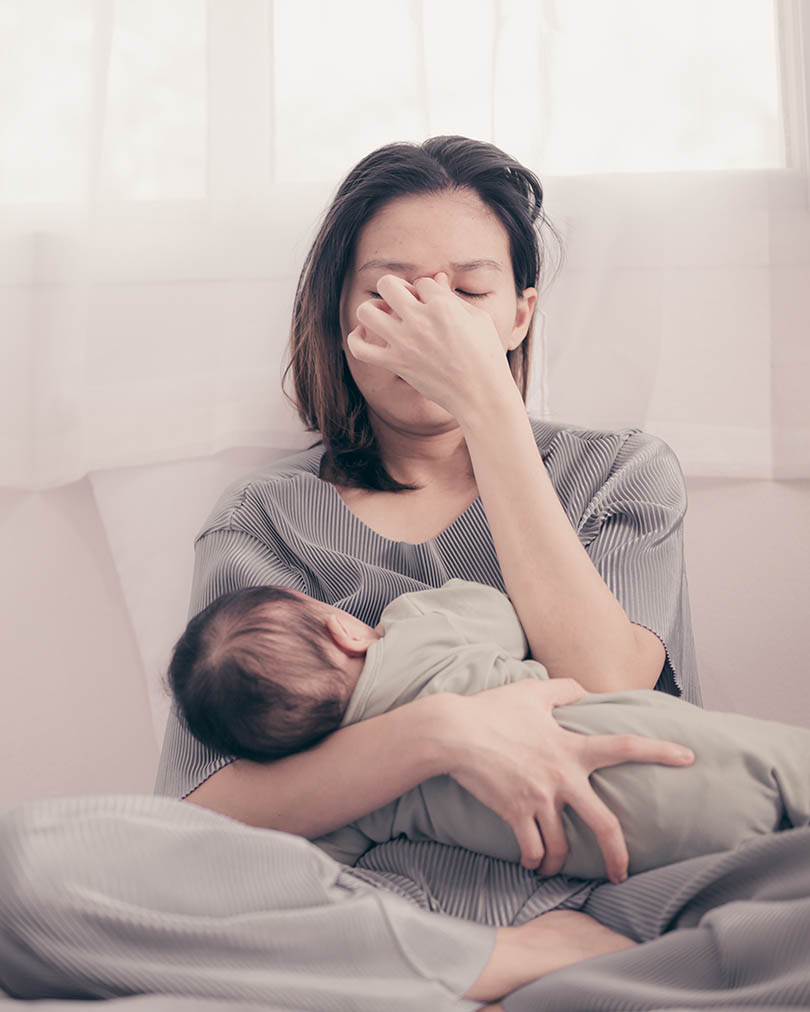
Motherhood is one of those experiences you can’t fully understand until you’re in it. It has breathtaking highs — and it has downs that no one really prepares you for. New mothers especially are in for a whirlwind, and amid the sleepless nights and the enormous love, a number of mental-health struggles can quietly take hold. Postpartum depression is talked about more and more these days; today I want to open up the conversation about its close cousin, postpartum anxiety. In my work with new mothers, it’s one of the most common — and most hidden — struggles I see. If you’ve become an anxious mother, please know you are far from alone.
What Is Postpartum Anxiety?
Postpartum anxiety (PPA) affects roughly one in ten new mothers. For some it shows up as anxiety alone; for others it comes coupled with depression. It can also bring panic attacks — sometimes called postpartum panic disorder. The reassuring news is that postpartum anxiety is treatable, and for many mothers it eases significantly with the right support.
What It Can Feel Like
PPA is more than the ordinary worry every new parent feels. It’s a worry that won’t switch off — racing, intrusive thoughts (often about the baby’s safety), a constant sense of dread, trouble sleeping even when the baby finally sleeps, physical tension, a racing heart, and sometimes the frightening surge of a panic attack. Many mothers describe feeling like they can’t relax or put the baby down, as if staying on high alert is the only thing keeping everyone safe. It’s exhausting, and it’s not something you can simply “snap out of.”
You Are Not Failing
One of the cruelest parts of postpartum anxiety is the shame that often rides along with it — the sense that a “good mother” wouldn’t feel this way. I want to gently push back on that. PPA is a common medical and emotional experience caused by a storm of hormonal shifts, sleep deprivation, and the sheer weight of new responsibility. It is not a character flaw, and it says nothing about how much you love your baby. In fact, the worry is often love with nowhere safe to land.
How It’s Treated
Postpartum anxiety responds well to care. Therapy helps you understand what’s driving the anxiety, calm the body’s alarm system, and build practical tools to quiet the racing thoughts. Support from partners and loved ones, protected rest where possible, and sometimes a conversation with your doctor about medical options all play a part. Recovery is very possible — most mothers come through this and reclaim the ability to actually enjoy their baby.
Let’s Talk
If worry has taken over what should be a tender season, you don’t have to white-knuckle through it. I support new mothers through postpartum anxiety in our South Hills office and by telehealth across Pennsylvania. Reach out — you deserve care too.