FOUR OFFICES ACROSS PENNSYLVANIA · TELEHEALTH STATEWIDE

Addiction Treatment in Pennsylvania

You’ve already quit. Several times, and you meant it every time. Wanting to stop was never the missing piece.

Addiction treatment at CPA Counseling helps adults and families address substance use, alcohol, and behavioral compulsions through evidence-based outpatient therapy. Your therapist maps the loop you’re actually caught in, works the triggers that drive it, and helps rebuild what the pattern displaced — your relationships, your work, your health. No shame, no program you have to fit into. In person at four Pennsylvania offices or by secure telehealth statewide.

Addictions do not have to keep you isolated
No program commitments
UPMC · Aetna · Highmark · Cigna
All ages treated
Telehealth available statewide
Serving Clients since 2015

WHY PEOPLE COME IN

You’re here because something stopped working

Most people arrive at a page like this from one of three places. None of them require a crisis, and none of them require you to have decided what to call it yet.

You’ve already tried to cut back

Rules, limits, dry stretches that held for a while. Each one was reasonable and each one came back. At some point the pattern stops being about discipline and starts being about something else.

Someone has said something

A partner, a doctor, a friend who picked a bad moment to be honest. You disagreed at the time. You’ve also thought about it more than once since, which is usually the part that matters.

You’re the one holding it together

It isn’t your use. It’s someone else’s, and you’ve been managing, covering, counting, and lying awake for longer than you’d admit. That has its own shape and its own cost.

WHY THERAPY WORKS

Addiction is learned — which means it can be unlearned

Addiction isn’t a defect in character. It’s a reward system doing its job too well. Something delivered relief faster than anything else available, your brain filed that as critical information, and it has been faithfully applying the lesson ever since.

“Your brain learned this was the answer. Treatment teaches it a different one.”

Relief is what keeps teaching it

The craving arrives, you answer it, relief lands in minutes. Your brain files that as proof. The loop doesn’t weaken with repetition — it strengthens, and it recruits more cues as it goes, until the time of day, a particular road, a particular person all fire it on their own. That’s why it’s harder at month six than it was at week one, and why nothing about this reflects how much you wanted to stop.

What treatment actually changes

Three things, in order. The cue stops automatically producing a craving, because you’ve sat through enough of them unanswered to prove they pass. The thing it was solving gets addressed directly rather than medicated. And what it displaced gets rebuilt, because a loop you only remove grows back into empty space. Most people feel real change in months, and the relapse-prevention skills are the part that stays.
.

WHAT TENDS TO CHANGE FIRST

The order it actually happens in

Your mornings

The first real return. Waking without the inventory of last night, and having energy by 10am that you’d forgotten was available.

The physical fog

Appetite, focus, and the low-grade sick feeling clear within weeks — usually well before the cravings do.

The time between urges

The gaps lengthen before the urges weaken. That’s the first thing worth counting, and it’s the earliest honest evidence it’s working.

One thing you’d been avoiding

Most people reclaim something specific early on, and it becomes the proof the rest is built on.

Sleep

Slower than you’d expect, and often worse before better. Vivid dreams and broken nights are normal early on. When it consolidates, it’s one of the most durable gains.

One relationship

Usually, one person notices before anyone else, and the rest builds on that conversation. Sometimes relationships that were co-dependent end.

Where You’re Headed

Imagine waking up with nothing to reconstruct

Not cured — nobody’s cured. Just a morning that starts where it starts, instead of starting with an inventory of what you have to find out about last night.

You wake up already knowing

No piecing together the back half of the evening. No reading your wife’s face across the kitchen to work out what you said. The day begins at the beginning, and whatever is in front of you is the only thing in front of you.

The wanting stops hurting

Not gone — it still shows up. But it arrives as a thought instead of a physical demand, and it leaves on its own while you’re doing something else. You stop organizing your week around keeping it quiet.

You drive past it

The place you always ended up, the exit you always took, the person who always calls at nine. You see it coming now from far enough out that it’s a choice, and you’ve already made it before you get there

The euphoria doesn’t own the night

You know the exact moment it used to take over — the one where the evening stopped being yours. It doesn’t arrive anymore, and the strange part is how little you miss it compared to how much you feared losing it.

How it works

Three Steps – and none of them are a program

You may not need a church basement or a lifetime of meetings. Some people find exactly what they need there, and if that’s you it’s free and it’s everywhere. But it isn’t the only road, and for a lot of people outpatient therapy is the one that fits.

1

Take it out

Not moderation. Moderation is how most people spend five years, and the reasoning is always sound at the time: it’s under control, it’s only weekends, it’s only after the kids are down. Removal comes first because you can’t study a loop that’s still running. This also means removing what fires it — the route, the hour, the app, the person who calls at nine.

  • Stopping, not managing
  • Clearing the cues, not just the substance
  • Naming the reasoning you’ve been using

2

Put something in its place

The substance was doing a job — regulating something your nervous system couldn’t regulate on its own. Take it out and leave the job unfilled and the space closes back over. This is where mindfulness, meditation, exercise, and structured breathing stop being wellness language and start being the actual mechanism. Not every route works for everyone, which is why this stage is education before commitment.

  • Finding what regulates you
  • Building it before you need it
  • Trying routes until one holds

3

Maintain it

The long stretch, and the one nobody prepares you for. Cravings arrive on no schedule, usually attached to something good rather than something bad. Maintenance is knowing what yours look like, having a plan written before you need it, and having one person who gets the call.

  • Knowing your own signals
  • A plan made in advance
  • Someone who picks up

WHAT KIND OF HELP

Different problems need different levels of care

Outpatient therapy is what we provide, and it is the right answer for many people — but not everyone. An assessment tells you which of these you need, and we will say so plainly if it isn’t us.

Outpatient therapy

What CPA provides. Weekly sessions, in person or by telehealth, while you keep working and living at home. Appropriate when you are medically stable, able to function day to day, and have some support around you.

Intensive outpatient

We refer. Several hours a day, several days a week, still living at home. Appropriate when weekly sessions have not held, when use is daily, or when home is stable but not structured enough on its own.

Detox or residential

We refer, and we help you get there. Medically supervised withdrawal or residential care. Necessary when stopping carries physical risk — alcohol and benzodiazepines in particular — or when home cannot be made safe.

WHAT’S ACTUALLY DIFFERENT

Overuse isn’t addiction – and the difference matters

Plenty of things get overused. Food, work, screens, sex, the phone. You can do too much of something, feel worse for it, decide to cut back, and actually cut back. That’s overuse, and it responds to a decision.

Addiction doesn’t respond to a decision. You’ve already made the decision — several times, and you meant it. What separates the two isn’t how much or how often. It’s whether the choosing still works.

The markers are consistent: it takes more to get the same effect. Stopping produces physical symptoms, not just regret. You keep going after it’s cost you something real. And it occupies more of your thinking than anything else in your life, including the people in it.

If you’re reading this and quietly running your own list, that’s worth bringing to someone. Not because the label matters — because the two problems need genuinely different work.

“I could taste it right now. I know exactly what it would be. That’s not the same as liking it.”

What people are most afraid of

That stopping means wanting it forever. That the craving is permanent and the rest of your life is spent at arm’s length from it.

That isn’t what happens. Years out, people describe tasting the thing and feeling nothing — or finding it genuinely unpleasant, which is usually the honest read without the anticipation layered on top. Some notice their body was telling them all along: the immediate stuffy nose from white wine, the sick feeling from whiskey, signals that were always there and always overridden.

The wanting goes. Not by force. It just stops being there, and what’s left is the thing itself.

What To Know About Addiction Treatment

Eight things to know before choosing treatment

The right treatment depends on what you’re using, how it’s affecting your life, and what support you have. Here’s what we want you to understand before deciding what comes next.

Addiction is treatable

It responds to treatment the way other chronic conditions do. Relapse is common and isn’t failure — it’s information about what the plan was missing.

You don’t have to hit bottom

Nobody has to lose everything first. Waiting for a bottom only raises the price of getting out, and most people come in while things still look fine from outside.

The level of care matters

Outpatient, intensive outpatient, detox, residential. Not a ladder you climb — different answers to different situations. An assessment tells you which, and the wrong one wastes time you don’t have.

Mental health comes with it

Anxiety, depression, trauma, and ADHD show up alongside substance use far more often than not. Treating one and ignoring the other is why a lot of people relapse.

Treatment should fit you

There is no universal plan. Your history, your health, your relationships, and what you actually want out of this should shape the work — not the other way around.

Stopping isn’t the whole thing

Removal leaves a space that closes back over unless something real fills it. Sleep, regulation, relationships, structure — that’s the work, not the afterthought.

The people around you matter

Addiction runs through a household, not a person. Partners and families often need their own support, and recovery holds better when the people closest to it are part of it.

Start by finding out what you need

No diagnosis required, no plan required. The first conversation is an assessment: what’s happening, whether outpatient therapy fits, and if not, what does.

MEET THE TEAM

The therapists behind your care

Every therapist is personally selected by Cristina for clinical skill, warmth, and commitment to real outcomes.

  • Allison Bare

    LSW · Gottman-Trained

    Locations: Altoona · Telehealth

    Skills: Gottman Method, IFS, Somatic Techniques

    Services: Marriage Counseling, ADHD, Autism

    Therapy should reflect the fact that no two people experience the world in exactly the same way.

    Allison provides Gottman-trained couples therapy and works with individuals ages 10 and up — supporting them through ADHD, autism, anxiety, addiction, grief, and life transitions.

  • Aubrey Revak

    MA, LPC · Licensed Professional Counselor

    Locations: Telehealth statewide · Shaler High School in person

    Skills: Somatic Techniques, Existential, CBT

    Services: Trauma Therapy, Technology Addiction, Postpartum

    “Meet yourself where you are, and trust that you can grow from there.”

    Hi, I’m Aubrey! I offer a compassionate, trauma-informed, and client-centered approach to therapy, creating a safe, nonjudgmental space where you feel heard and understood. Together, we’ll build on your strengths and cultivate greater self-awareness, resilience, and emotional well-being.
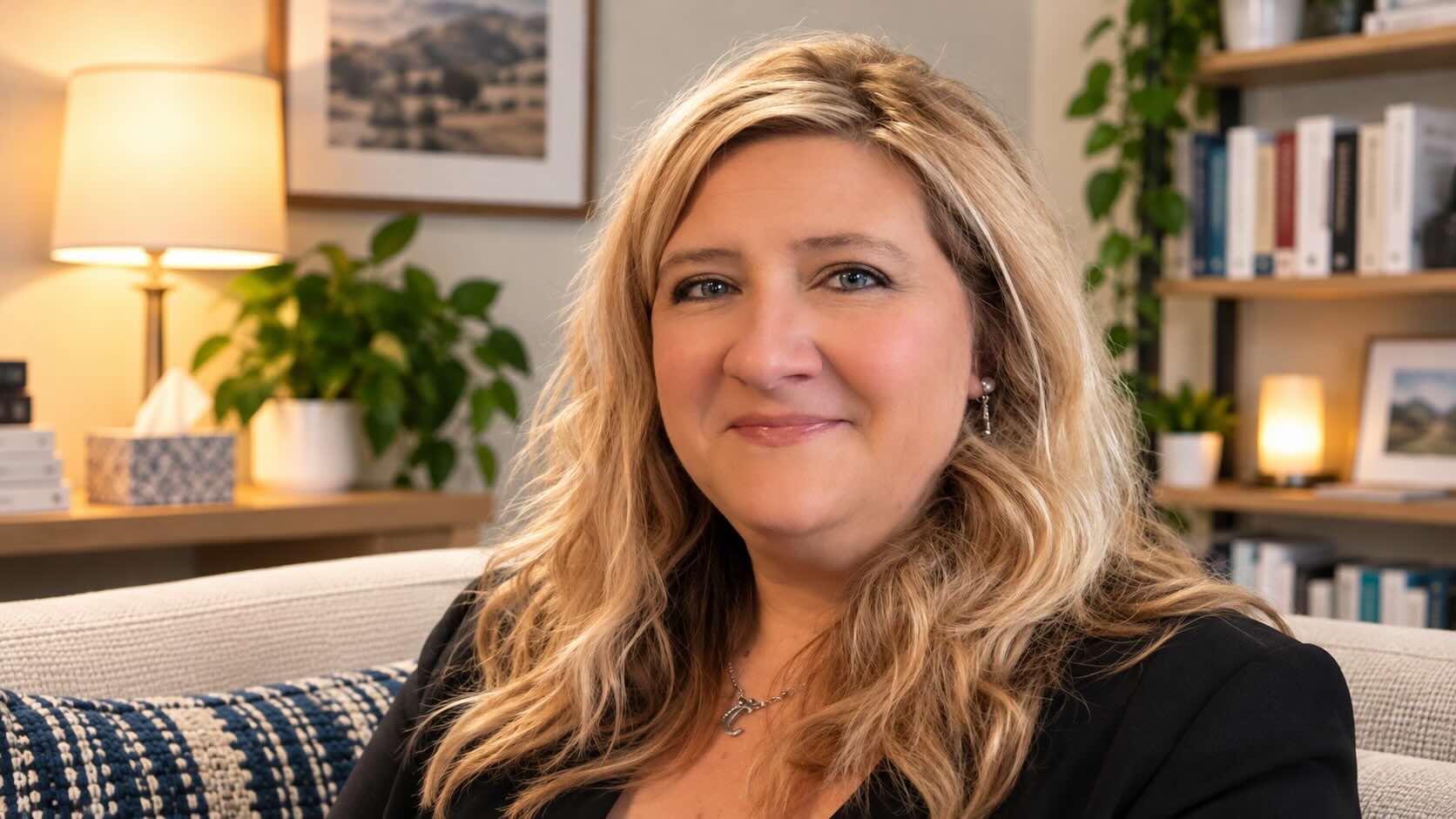
  • Colleen Druga

    LPC · Licensed Professional Counselor

    Locations: Robinson · South Hills · Telehealth

    Skills: TF-CBT, Somatic Techniques, Mindfulness-Based

    Services: Trauma Therapy, Addiction, Anxiety Treatment

    Trauma may fracture the self, but therapy helps you return home to who you are.

    Colleen Druga, LPC, brings 24 years to trauma-informed therapy, anxiety, depression, and co-occurring addiction — whole-person work across mind, body, and spirit.

CONDITION GUIDE

Addiction guides from our therapists

  • Trauma Recovery

    Addiction

    Addiction Therapy in Pittsburgh’s South Hills

    Addiction therapy can address far more than stopping substance use. It can help you understand what alcohol or drugs have been doing for you, develop other ways to manage difficult emotions, and begin building a life that is no longer organized around using. Nicole Duley, LPC provides therapy for substance use and related concerns through CPA Counseling’s South Hills office in Pittsburgh and by telehealth across Pennsylvania.

  • Addiction

    How to Talk to Someone You Love About Substance Use

    You can;t make someone choose recovery, but how you approach the conversation matters. Jessika Izzo, LPC, on raising concerns about substance use without accusation and finding the right support.

  • Trauma addiction

    Addiction

    Trauma and Addiction Therapy in Pittsburgh

    Trauma and addiction can be connected, though not everyone who struggles with substance use has experienced trauma. For some people, alcohol or drugs become a way to manage painful memories, anxiety, difficult emotions, or distress — something that began as relief gradually starts making choices for them. Ashley Spahn, LCSW works with trauma and substance use at CPA Counseling in Pittsburgh’s South Hills and by telehealth across Pennsylvania.

COMMON QUESTIONS

Questions about Addiction Treatment

Straightforward answers to what patients ask most often before their first session.

There’s no fixed length. Early work is usually weekly and focused on stabilizing — getting the substance out, handling the first stretch of cravings, and putting something in place of what you removed. That phase is typically a few months. After that, many people move to less frequent sessions for a longer period, because maintenance is where recovery actually holds. There’s no program length you’re committing to and no package to buy.

No. Plenty of people come in still using, still unsure, or still negotiating with themselves about whether this is really a problem. That’s a normal place to begin. What the first sessions do is assess where you actually are and what level of care fits. If medical detox is needed first, we’ll tell you that directly and help you arrange it.

No. Twelve-step programs work genuinely well for a lot of people, they’re free, and they’re available almost everywhere — if that’s a fit, we’ll support it. But they aren’t the only route, and plenty of people recover through outpatient therapy without ever attending a meeting. The right approach is the one you’ll actually stay in

Then you have information most people don’t. Relapse isn’t a failure of character or a reset to zero — it’s data about what the previous plan didn’t account for. Most people who get and stay sober did it after at least one attempt that didn’t hold. Your therapist will want to know what happened, not to assign blame, but because that’s where the next plan comes from.

That’s yours to decide, and we don’t bring family into your treatment without your consent. Your sessions are confidential — the only limits are the ones the law places on every therapist: if there’s a serious risk of harm to you or someone else, suspected abuse or neglect of a child or vulnerable adult, or a valid court order, we may be required to act or disclose. Outside those narrow exceptions, nothing is shared without your permission. Many people find that bringing a partner or family member in at some point strengthens the work, since addiction affects a household rather than a person. But the pace of that is yours, and some clients do the entire course of treatment privately.

Sometimes it helps considerably, particularly with alcohol and opioids, where medication can reduce cravings enough to make the rest of the work possible. We’re therapists, not prescribers, so we don’t prescribe — but we’ll tell you honestly if it’s worth exploring and coordinate with your physician or a psychiatrist if you want to pursue it.

For outpatient therapy, yes — the research supports it, and for a lot of people it removes the barriers that kept them from starting. It is not appropriate if you need medical detox or a higher level of care, and that’s part of what the first assessment determines. Many clients mix in-person and virtual sessions depending on the week.

READY TO START?

It doesn’t get easier to start later

Addiction rarely stays where it is. Left alone it asks for a little more each year — a little more to get the same effect, a little more hidden, a little more of the life around it quietly given up until the smaller version starts to feel like who you are. You don’t have to have stopped before you walk in. You don’t need a plan. You just need to stop doing it alone.