
Children & Adolescents
Cutting: Should I Be Worried About My Self-Harming Teen?
If you’ve discovered your teen is hurting themselves, start here — calm, informed, and not alone.
Self-harm, like cutting, is usually a way a teenager copes with overwhelming emotional pain — most often it is not a suicide attempt, but it always deserves to be taken seriously. If you’ve discovered your teen is self-harming, respond with calm support rather than panic or punishment, and seek professional help; therapies like DBT are very effective. If your teen has thoughts of suicide or is in danger, call or text 988.
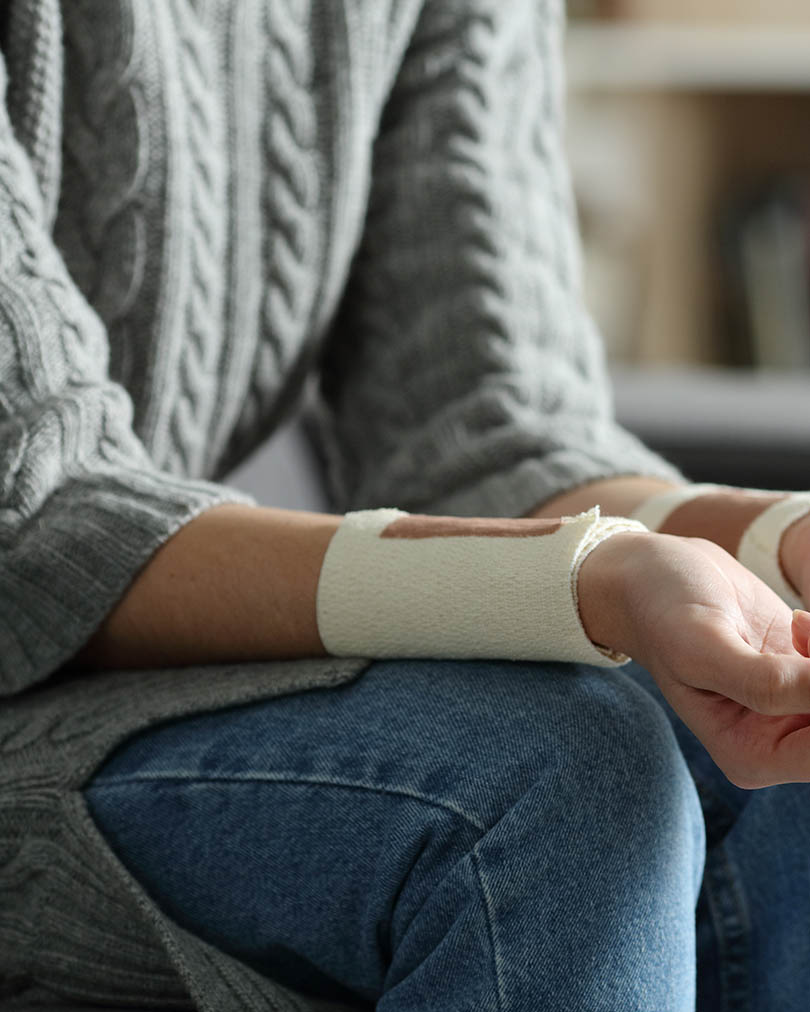
Few things frighten a parent more than realizing their teenager is hurting themselves. If that’s where you are right now, I want to say two things before anything else: your fear makes complete sense, and this is something that can be helped. As a therapist and the founder of this practice, I’ve walked a lot of parents through this exact moment — so let’s take it one calm step at a time.
First, Try Not to Panic
I know that’s easier said than done. But here’s something important that often brings parents a measure of relief: self-harm, including cutting, is usually not a suicide attempt. More often it’s a way a young person tries to cope with emotional pain that has become overwhelming — a release valve for feelings they don’t yet have words or tools for. That doesn’t make it okay, and it doesn’t mean you ignore it. It means the right response is support and help, not panic or punishment.
Why Teens Self-Harm
Adolescence is a storm of big emotions and a still-developing ability to manage them. When a teen feels numb, anxious, ashamed, or out of control, self-harm can become a way to feel something, to externalize internal pain, or to regain a sense of control for a moment. It is almost never about “attention-seeking” — in fact, most teens go to great lengths to hide it. Underneath the behavior is nearly always a young person in real distress who hasn’t yet learned a healthier way to cope. That’s good news, in a sense: coping skills can be taught.
Signs to Pay Attention To
Beyond the behavior itself, parents often notice a shift in the whole picture: pulling away from family and friends, big changes in mood, new secrecy, dropping grades, low self-worth, trouble sleeping, or losing interest in things they used to love. Any one of these can be ordinary teenage weather. Several together, especially alongside signs of self-harm, are worth taking seriously and gently exploring.
How to Respond
How you react in the first conversations matters enormously. A few guideposts I give parents:
- Stay calm and non-judgmental. Your steadiness tells your teen it’s safe to be honest with you.
- Don’t punish, shame, or deliver ultimatums. These usually drive the behavior further underground and close the door you need to keep open.
- Listen more than you lecture. “I’m not angry, I’m worried, and I want to understand what’s been so hard” goes a long way.
- Take it seriously without catastrophizing. You can be concerned and steady at the same time.
- Get professional support. This is treatable, and you don’t have to figure it out alone.
When It’s an Emergency
Self-harm and suicidal thoughts are not the same thing, but they can overlap, so it’s important to ask directly and stay alert. If your teen is talking about wanting to die, has a plan, or has seriously injured themselves, treat it as an emergency: call or text the 988 Suicide & Crisis Lifeline, or go to your nearest emergency room. Asking a teen directly about suicide does not plant the idea — it opens a door and can be a relief for them to walk through.
There Is Real Help — and Real Hope
Self-harm responds very well to therapy. Approaches like dialectical behavior therapy (DBT) are specifically designed to help young people understand their emotions and build healthier ways to cope with distress, so they no longer need to turn to harming themselves. In our work, we help the teen develop those skills and help the family become a steadier, safer place to land. Most teens who get support move through this — and parents who felt helpless get their footing back, too.
Let’s Talk
If you’ve discovered your teen is self-harming, reaching out is exactly the right next step. Our therapists work with teens and families across our Pennsylvania offices and by telehealth, and we’d be glad to help you both find solid ground again.
About Kelly Schworn
Kelly Schworn, LPC is a therapist at CPA Counseling’s South Hills office, serving the greater Pittsburgh area. Grounded in a warm, affirming, person-centered approach, she works with LGBTQ+ clients, teens, and young adults on anxiety, depression, trauma, self-esteem, and life transitions.