
Anxiety
Don’t Spill the Tea, Drink It: Tea for Anxiety
A warm cup won’t cure anxiety — but as a ritual that tells an overwound body it’s safe to slow down, it’s underrated.
Certain teas — chamomile, green tea (for its L-theanine), lavender, and lemon balm — may gently ease anxiety, and the calming ritual of a warm cup can help settle an overwound nervous system. Tea is a complement, not a treatment, and herbal supplements can interact with medications, so check with your doctor. Lindsay Mazza, MS helps clients across Pittsburgh’s Robinson area calm anxiety at the root, in person or by telehealth across Pennsylvania.
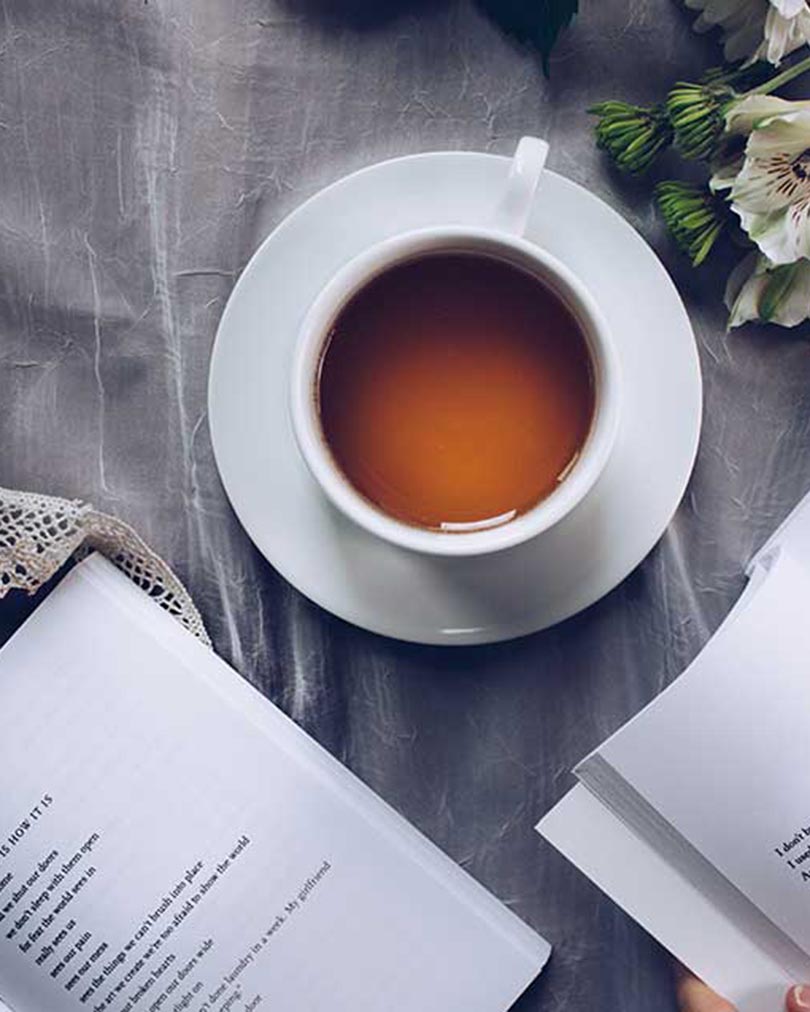
I talk about anxiety with clients every single day, and one of the first things I say is that calming anxiety often starts in the body, not the thoughts. When the nervous system is wound tight, “just stop worrying” rarely works — but small, physical cues that signal you’re safe, you can slow down can do a surprising amount. Which is why I have a soft spot for one humble ritual: a warm cup of tea. It isn’t a cure and it isn’t a substitute for real support. As a daily practice, though, it’s genuinely underrated.
Why a Warm Cup Helps More Than You’d Think
Part of it is what’s in the cup. Part of it — maybe the bigger part — is the ritual itself: the pause, the warmth in your hands, the few slow breaths while it steeps. In my work I lean on mindfulness-based and somatic approaches, and a tea ritual is a tiny, repeatable version of exactly that — a cue to come back into your body and out of the spin. The leaves help; the pause helps as much.
A Few Teas Worth Keeping in the Cupboard
Some teas have genuinely calming properties. Chamomile is the classic bedtime choice — low in caffeine, and some research has found it can ease symptoms of generalized anxiety. Green tea contains L-theanine, an amino acid found almost exclusively in tea that some studies link to lower anxious reactivity and better sleep. Lavender, lemon balm, and peppermint are gentle, caffeine-free options many people find soothing. Ashwagandha root, used in Ayurvedic practice, is an adaptogen some reach for to help with stress — but this one comes with a real caution below.
A Caveat Worth Saying Plainly
Tea is a complement, not a treatment, and nothing here is medical advice. Herbal supplements — ashwagandha especially — can interact with medications and aren’t right for everyone, including during pregnancy, so please check with your doctor or pharmacist before adding them. And if anxiety is genuinely interfering with your life, a cup of tea won’t be enough on its own. That isn’t a failure; it’s simply a sign that the right next step is real support.
The Bigger Point
The tea isn’t magic. The practice of deliberately slowing down is. A warm drink is just one easy doorway into it — an excuse, three times a day, to stop, breathe, and let your body register that this particular moment is safe. Build a few of those doorways into your day and the baseline tension often starts, slowly, to come down.
When Tea Isn’t Enough
If anxiety is running your days — your sleep, your work, your relationships — therapy helps get to the root rather than just the symptom. I offer a gentle, grounding space to slow down and work through what’s keeping the anxiety switched on, in our Robinson office or by telehealth across Pennsylvania. The kettle’s a fine start; you don’t have to stop there.