
Anxiety
Agoraphobia: When the World Starts to Feel Unsafe
It’s more than “fear of leaving the house” — and in our anxious, screen-lit, post-pandemic world, it has quietly become more common than ever.
Agoraphobia is far more than “fear of leaving the house.” It’s an anxiety disorder centered on avoiding places where escape feels hard or help feels far away. Since the pandemic pushed so much of life indoors and online, that fear has quietly grown more common. The good news: it’s very treatable, usually with gradual, supported steps. Cristina Panaccione, LPC and her team help anxious clients across Pennsylvania.
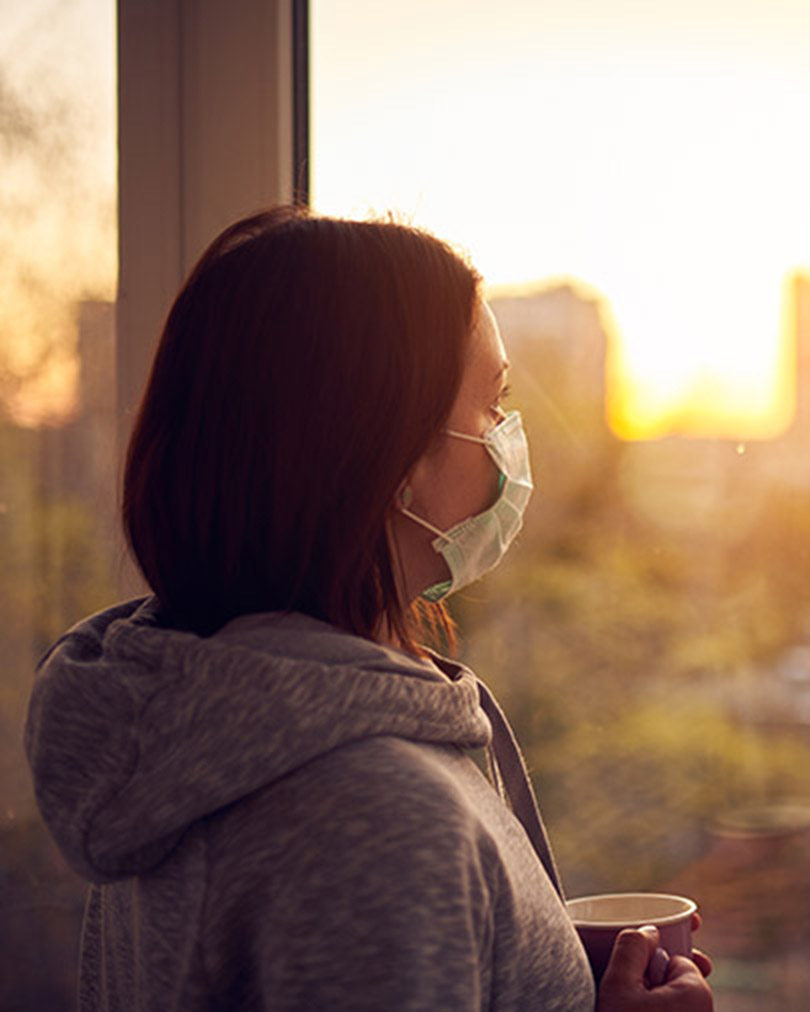
Most people picture agoraphobia as simply “being afraid to leave the house.” It’s deeper, and more common, than that — and I think it’s worth talking about now, because the world we’re living in has quietly made it easier than ever to slide into. Anxiety is rampant right now. Many of us learned, during the pandemic, that we could do almost everything from behind a screen — work, shopping, connection, comfort — and for a lot of people that “new normal” never fully lifted. We built ourselves small, safe, tech-lined bubbles. And bubbles, however cozy, tend to shrink.
What Agoraphobia Actually Is
Agoraphobia is an anxiety disorder marked by intense fear of places or situations where escape might be difficult, or where help might not be available if panic struck — crowds, lines, public transit, open spaces, being far from home. The fear isn’t really about those places themselves. It’s about the dread of feeling trapped, exposed, or out of control, and of having no exit. To avoid that feeling, a person starts avoiding the situations — and that’s where it quietly takes hold.
The Shrinking-World Loop
Here’s the trap, and it’s the same engine behind most anxiety: avoidance brings instant relief, and that relief teaches the brain that avoiding was what kept you safe. So the next outing feels a little scarier, the safe zone gets a little smaller, and the world you can comfortably move through keeps contracting — often without you noticing until it’s quite small. When so much of life can now be done from the couch, the loop has fewer and fewer interruptions. It’s never been easier to never leave.
The Good News
Agoraphobia responds very well to treatment, and you do not have to white-knuckle your way out of it alone. The work is gentle and gradual — facing feared situations one small, supported step at a time, at your pace, so your nervous system slowly relearns that the world is survivable, then navigable, then yours again. We pair that with skills to steady the panic in the moment and a look at the thoughts feeding the fear. The bubble can open back up.
If Your World Has Been Getting Smaller
If some version of this feels familiar — the plans you quietly cancel, the places you’ve stopped going, the relief of staying in that’s started to feel like a cage — please know it’s common, it’s not a weakness, and it’s very treatable. I’d be glad to help you take the first small step. We see clients across the greater Pittsburgh area, in Philadelphia, and by telehealth throughout Pennsylvania.