
Children & Adolescents
The Shy Child: When Is Shyness a Problem?
Shyness is a natural temperament — until it starts getting in your child’s way.
Shyness in children is a natural, slow-to-warm-up temperament and usually isn’t a problem. It becomes a concern when it’s extreme — significantly interfering with learning, relationships, interests, or self-esteem. Parents can help with gentle playdates and by building confidence through small successes, and therapy helps when shyness holds a child back. Shannon Wyzkoski, LPC, GC-C and the CPA team support children and families across Pennsylvania.
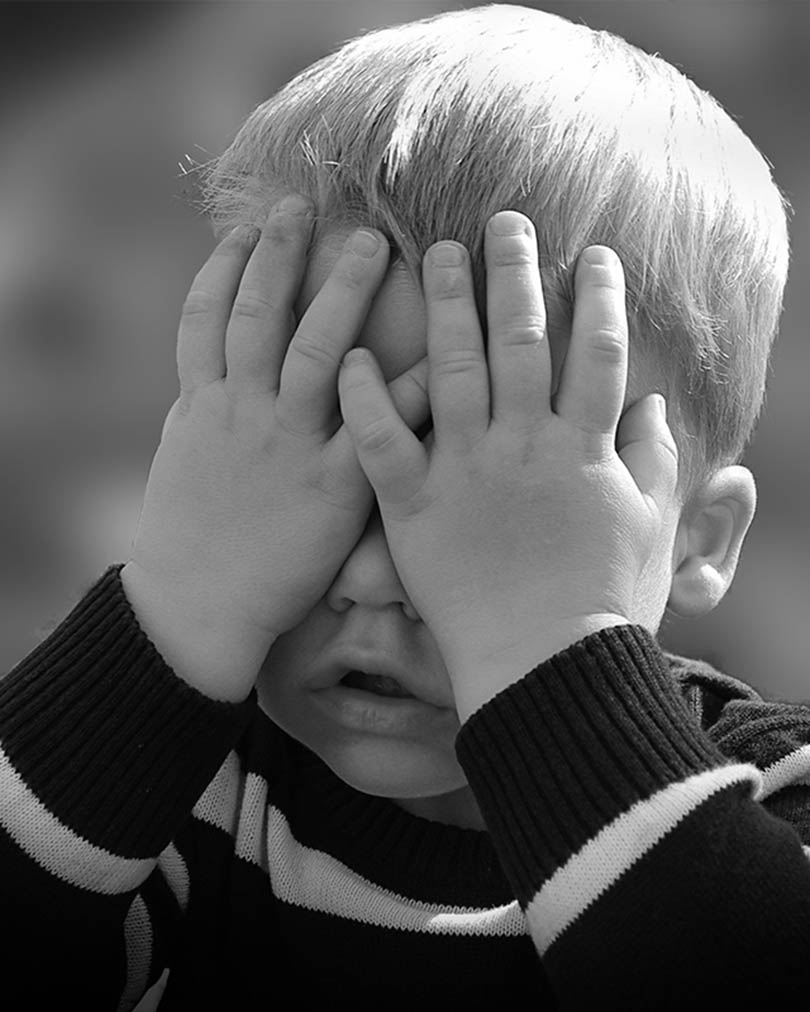
We have all seen solid examples of shyness in children many times over. But when is a child’s shyness a problem? Being a shy child isn’t necessarily an issue! Shyness in children is a natural temperament sometimes called a slow-to-warm-up temperament. The shy child adapts slowly to change. They do not often express negative emotions initially and can seem withdrawn, cautious, or avoidant. If the child is pushed to join a social situation, their mood will escalate. And they may turn to tantrums, crying, or shutting down. A shy child may also exhibit inappropriate expressions of emotions or irregular patterns of sleep or elimination.
Shyness becomes a problem when it is extreme. Often because it is a signal that the child is coping with excessive painful feelings. Problematic shyness can be identified by observing a child in many different situations. When the shyness significantly interferes with the child’s ability to learn, establish relationships, develop interests and construct positive self-esteem we can then label it as problematic. Children with problematic shyness do not find ways to moderate their shyness; rather, they seem to be trapped by it.
Shyness does not go away over time. But children can learn to manage their shyness by building confidence and getting more used to interacting with others successfully.
Things You Can Do
If you fear your child’s shyness is excessive there are steps you can take at home to try to assist the child in gaining success over their shyness. Encourage playdates, either at your house or a friend’s house and start with accompanying the child initially until they feel more comfortable in their surroundings. Make sure you avoid negative comparisons with more confident siblings or friends and instead help to build your child’s self-esteem by focusing on even small successes towards reducing shyness.
And If That’s Not Enough…
These coping strategies may help, but sometimes they just aren’t enough. If shyness negatively affects your child’s ability to attend school, socialize, or affects other areas of development, we would love to help. We have several ways we can approach treating the situation including family therapy, parenting training, and individual counseling depending on the age of the child.